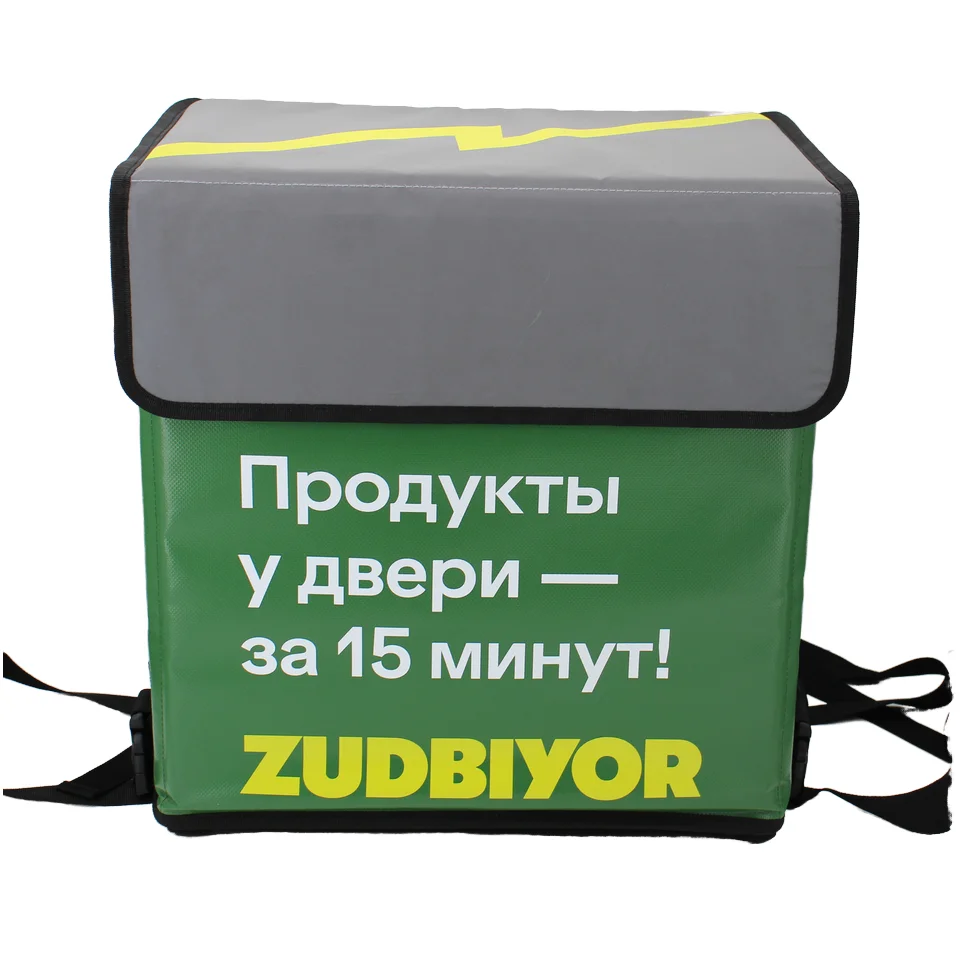
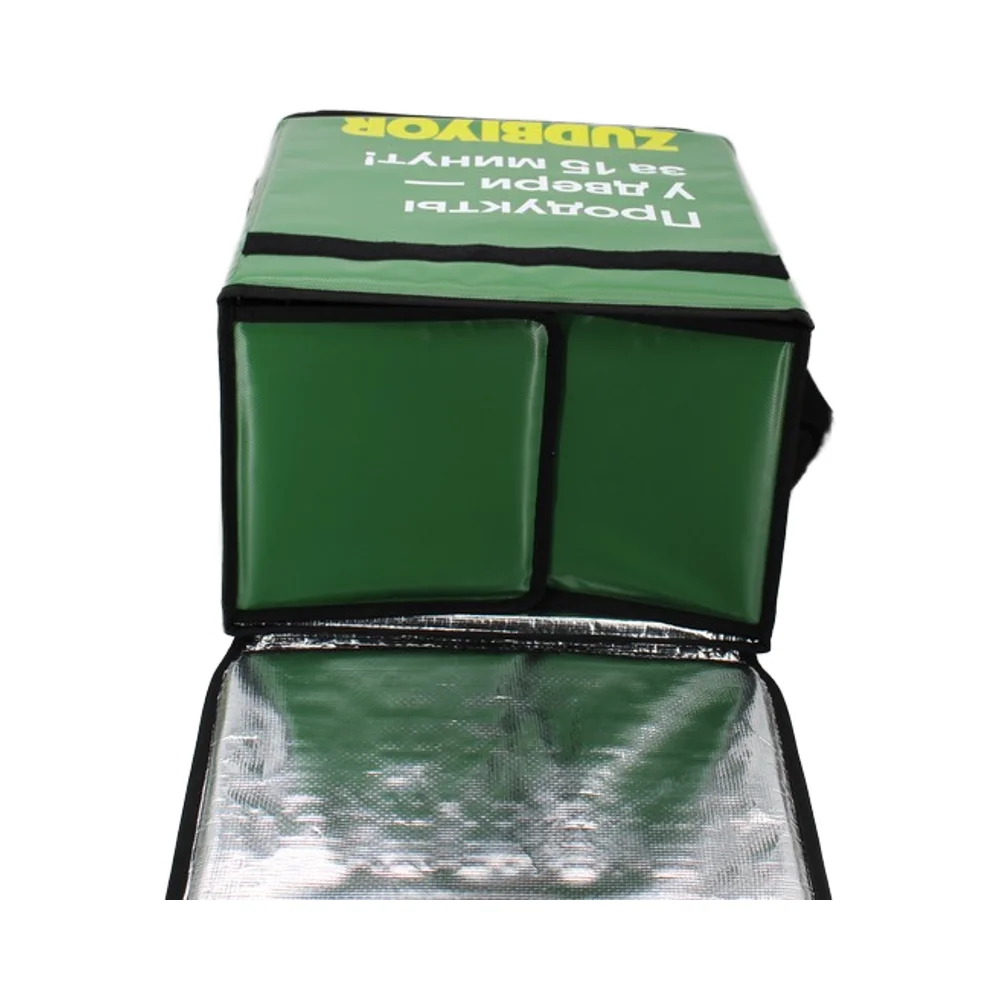
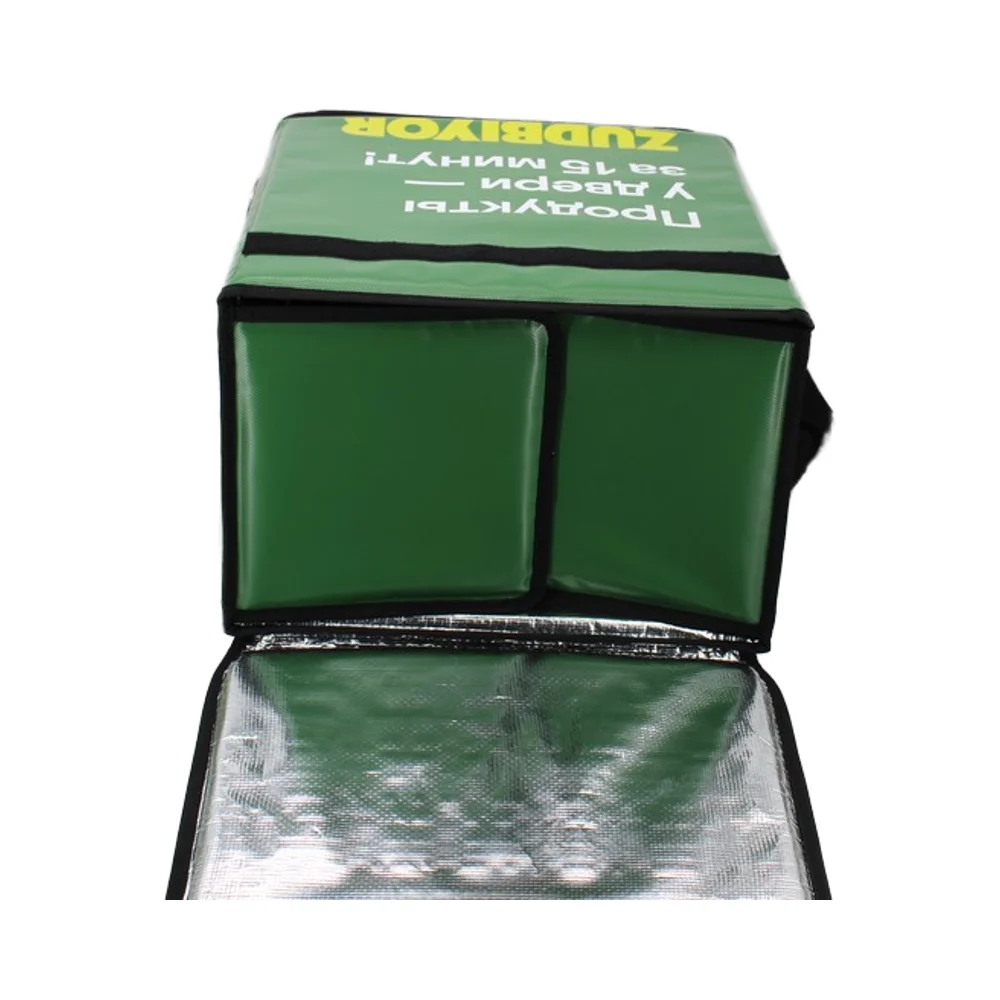
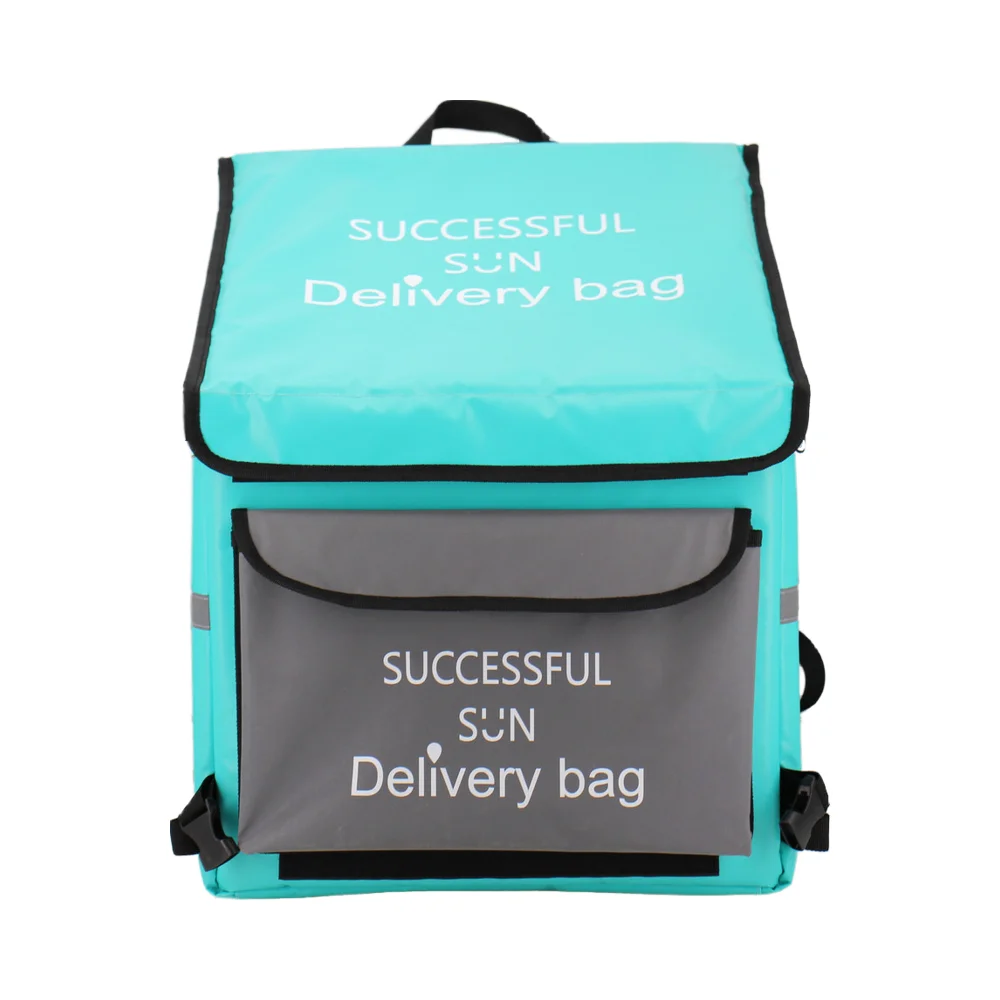
A practical loading plan begins with the buyer’s actual packages. Dispatch teams should compare the internal arrangement with the widest meal box, tallest grocery package and heaviest beverage group used on the route. Larger or heavier goods should be placed close to the reinforced base, while lighter and more delicate packages remain above them.
For multi-order routes, the motorcycle delivery backpack can be divided operationally by customer, delivery sequence or food category. Priority orders should remain close to the top opening so riders do not need to remove the full load at every destination. Bottles should remain upright and securely closed, with weight distributed across the base rather than concentrated on one side.
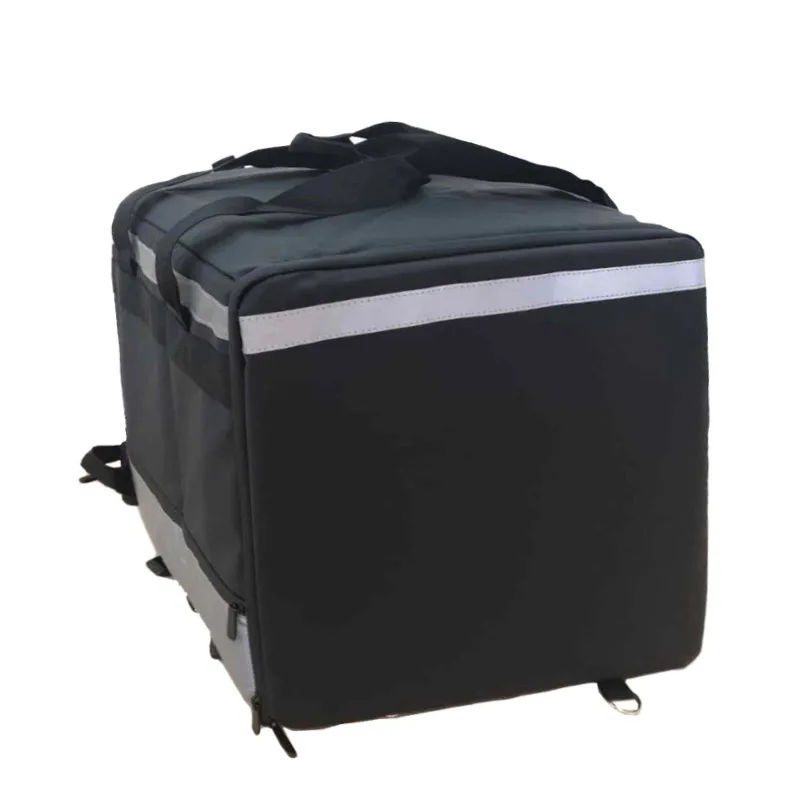
The rigid-looking rectangular profile helps maintain usable loading space when the carrier contains mixed packages. Riders should still test the sample with their actual order combination, motorcycle model and rack dimensions before confirming a fleet-wide configuration.
Two Carrying Modes for Changing Routes
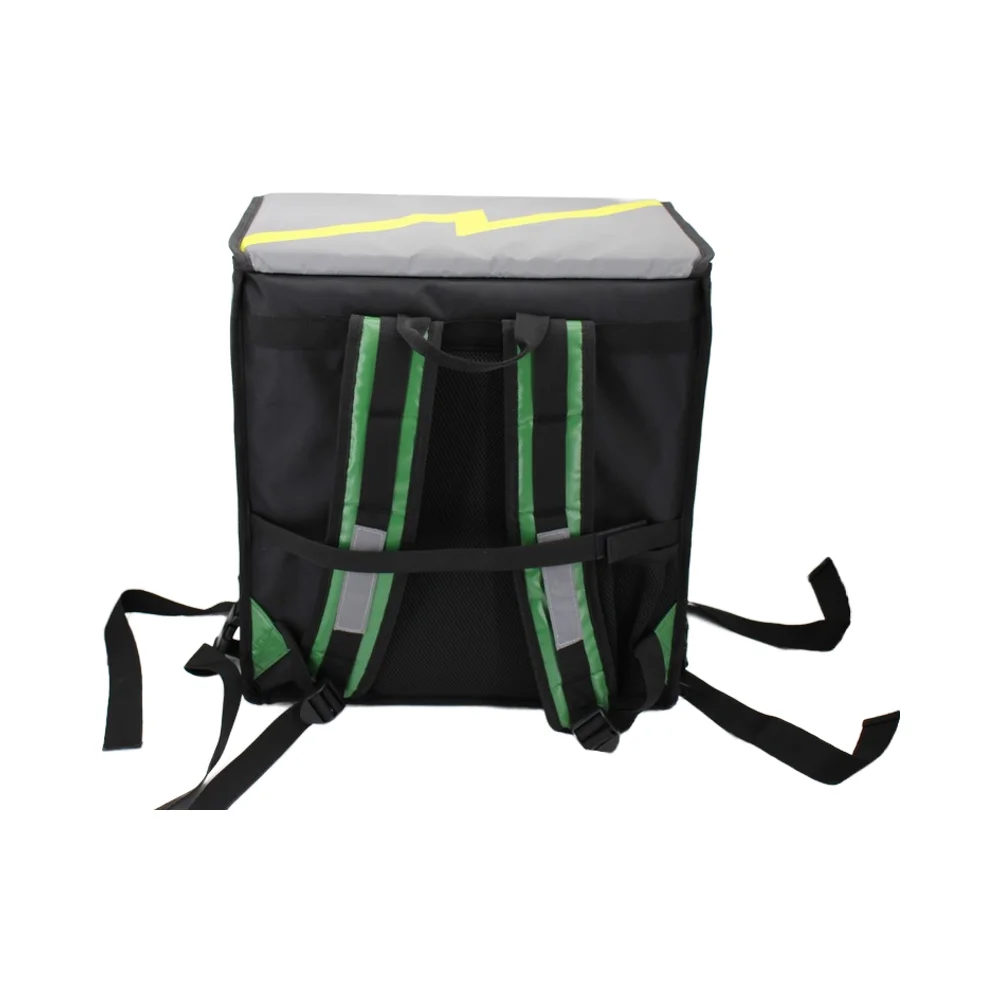
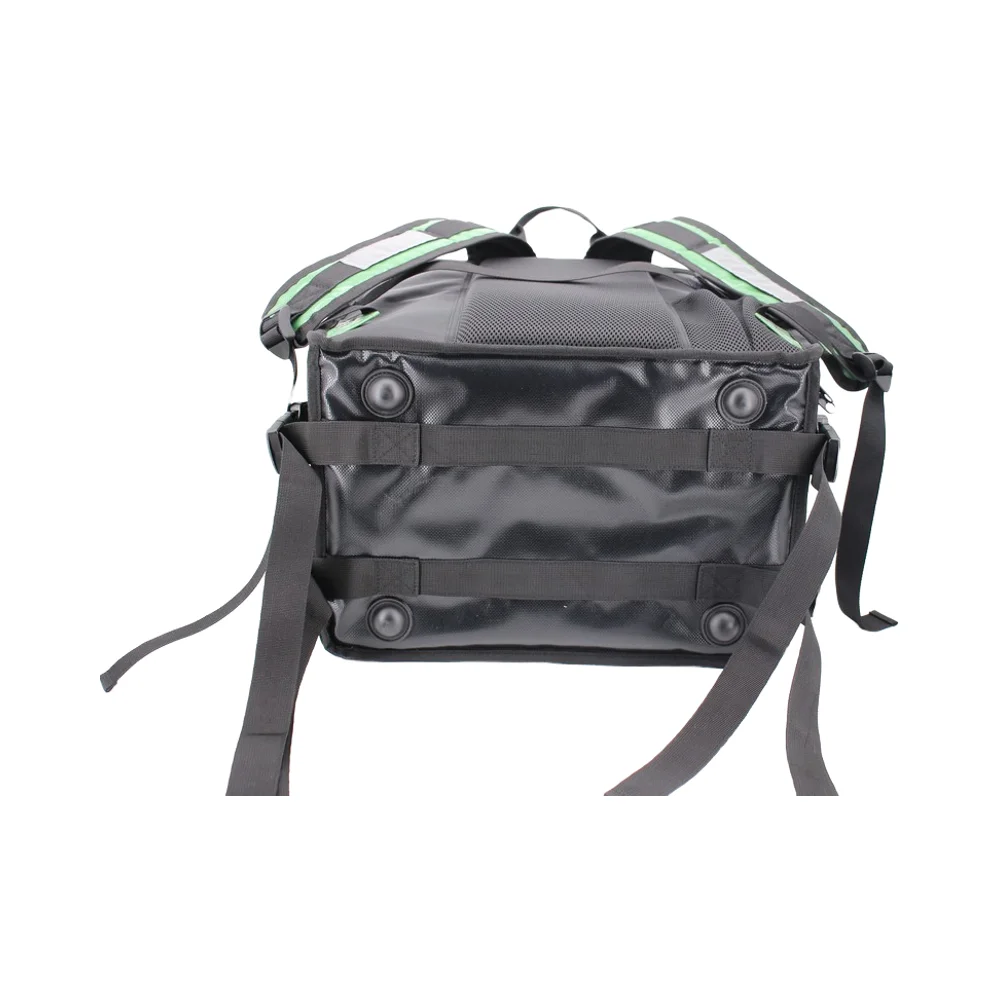
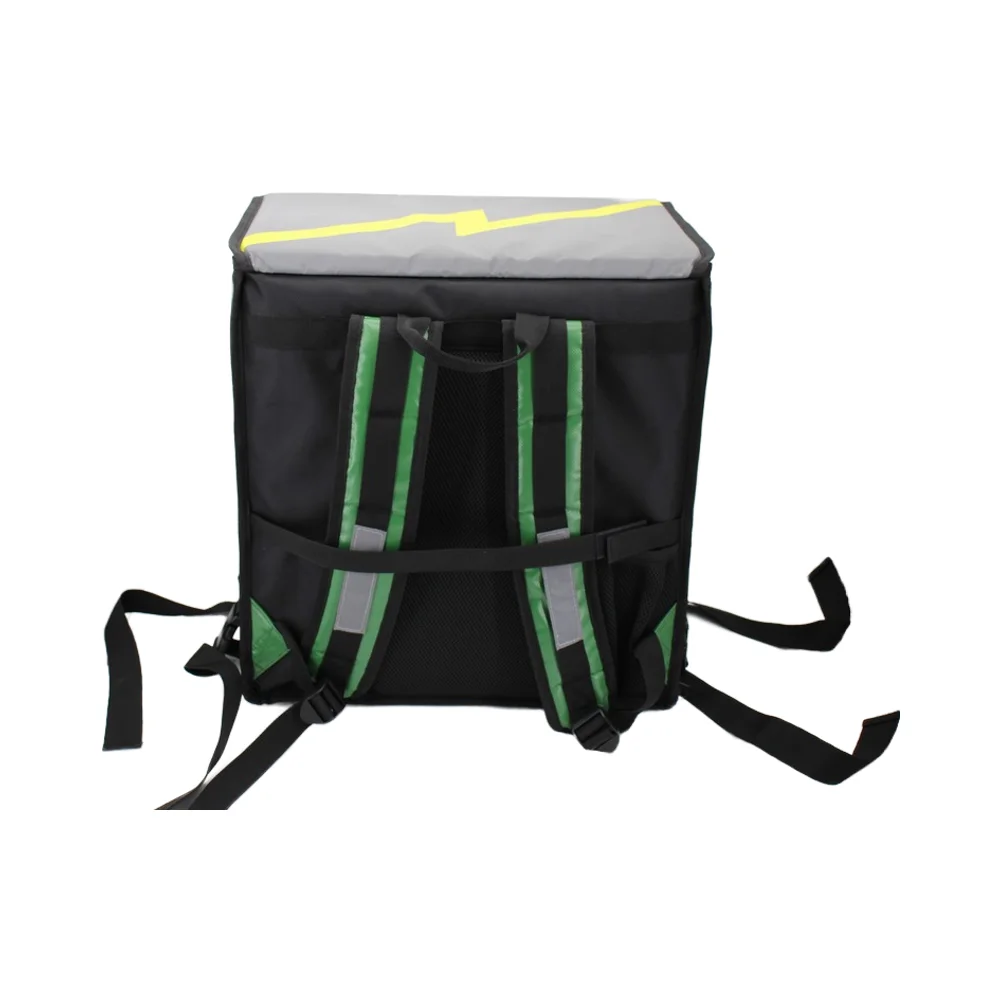
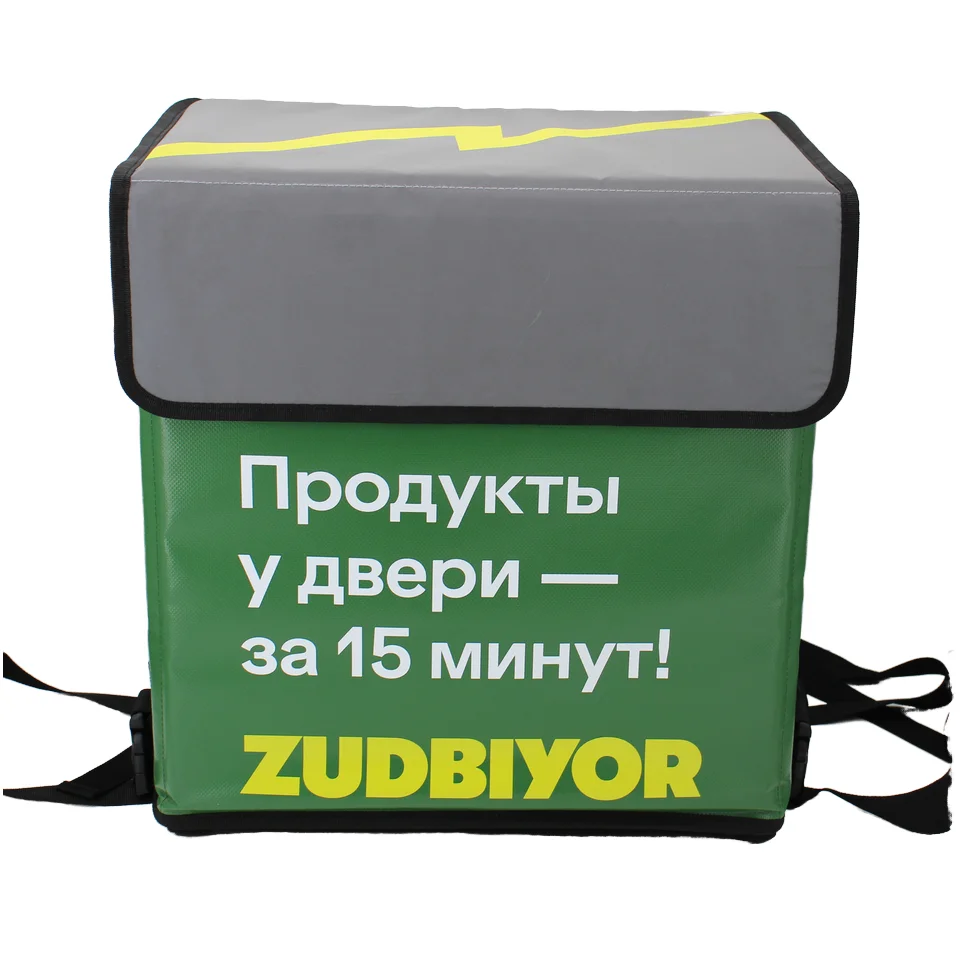
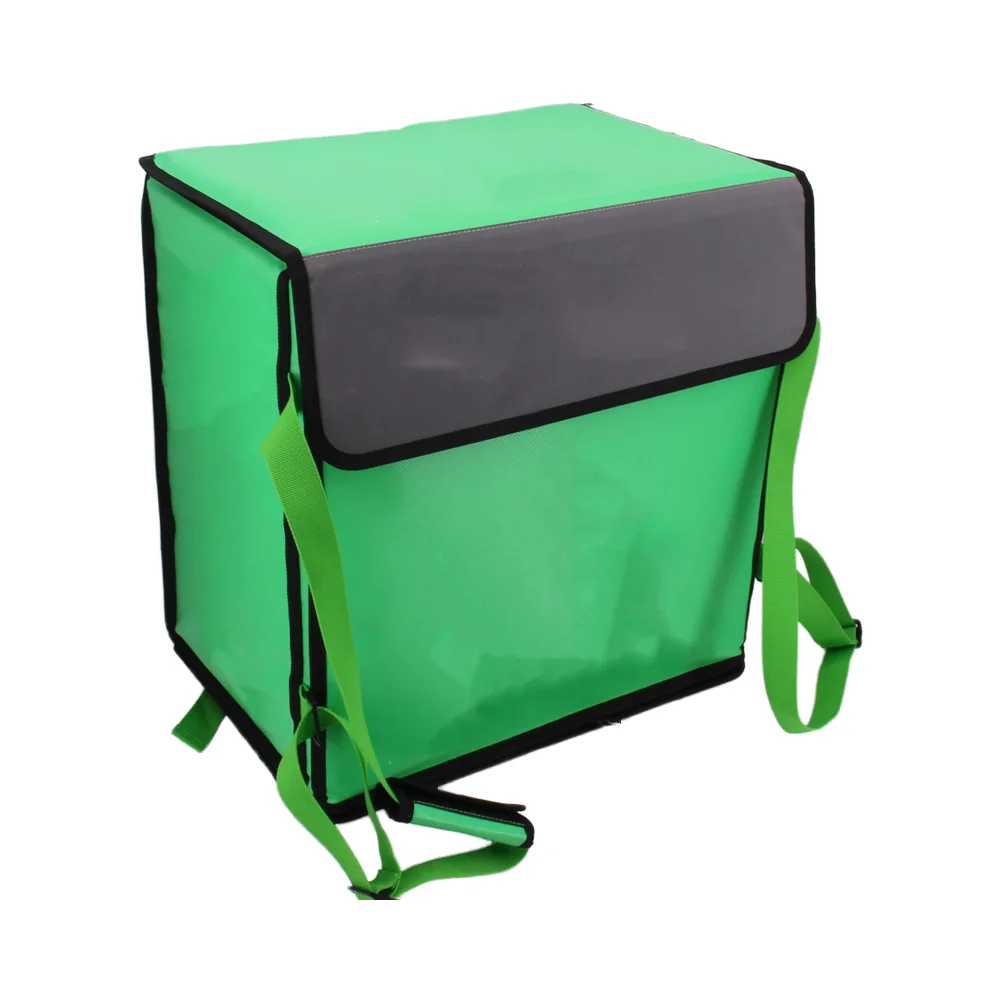
The motorcycle delivery backpack supports both rider carrying and rack mounting. Padded shoulder straps allow hands-free movement when couriers walk between a parking point, store and customer entrance. When the loaded weight or route conditions make backpack carrying less suitable, the external straps can help secure the carrier to a compatible rear platform.
The chosen mounting method should keep the motorcycle delivery backpack level and clear of wheels, exhaust components and moving vehicle parts. Straps must be tightened evenly, and the rider should check carrier stability before departure. Route speed, braking, turning and road surface can all influence load movement.
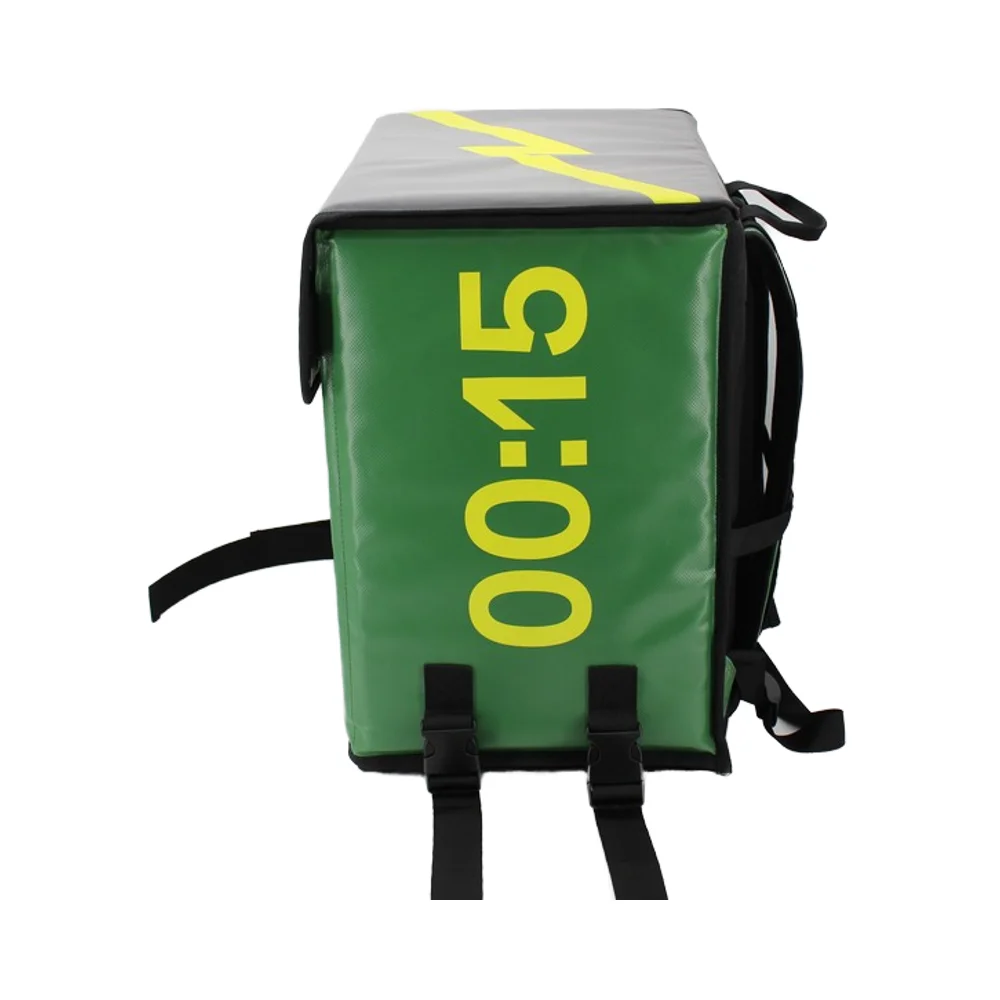
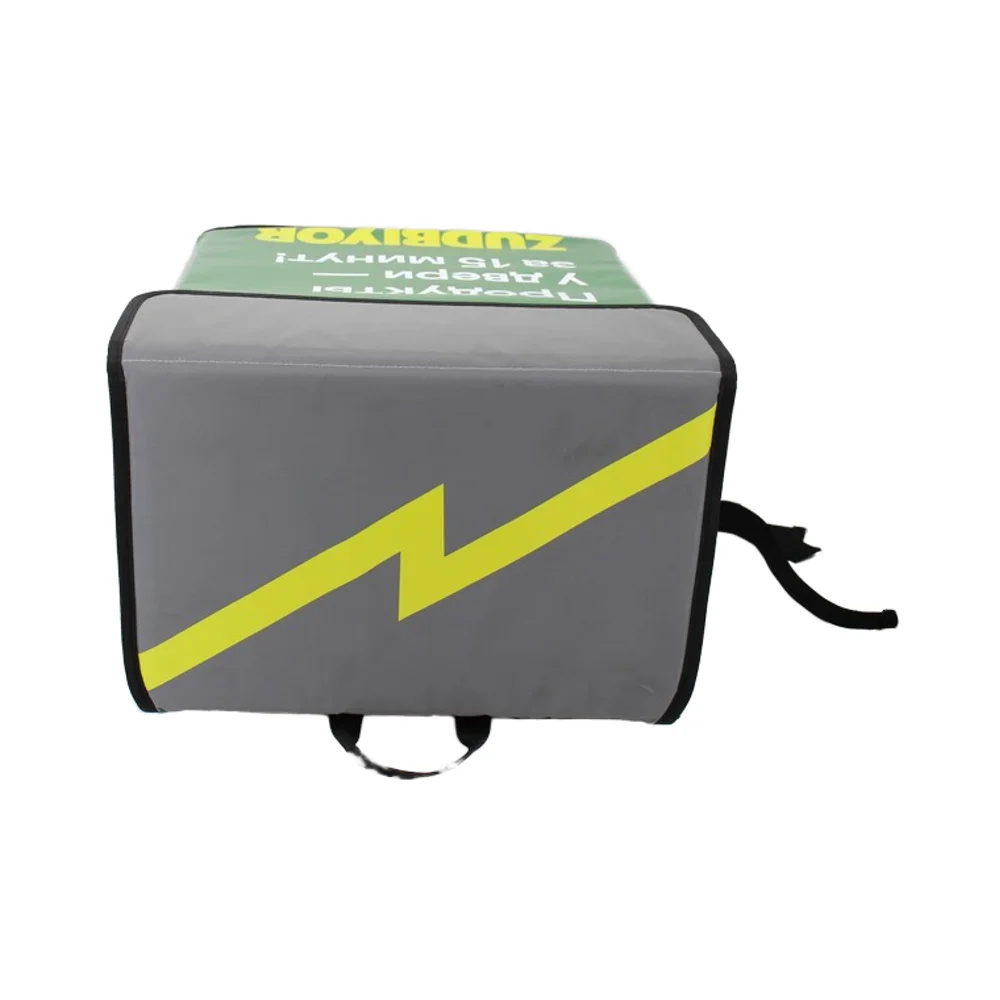
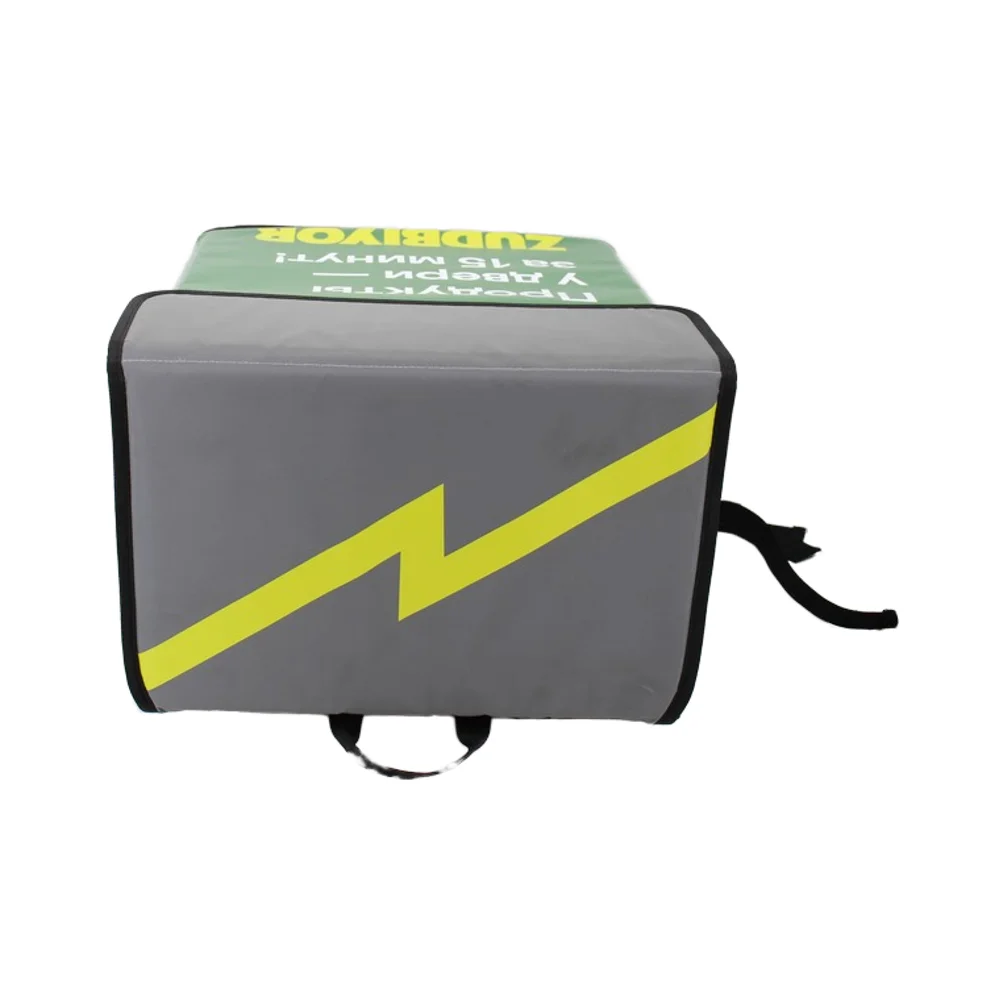
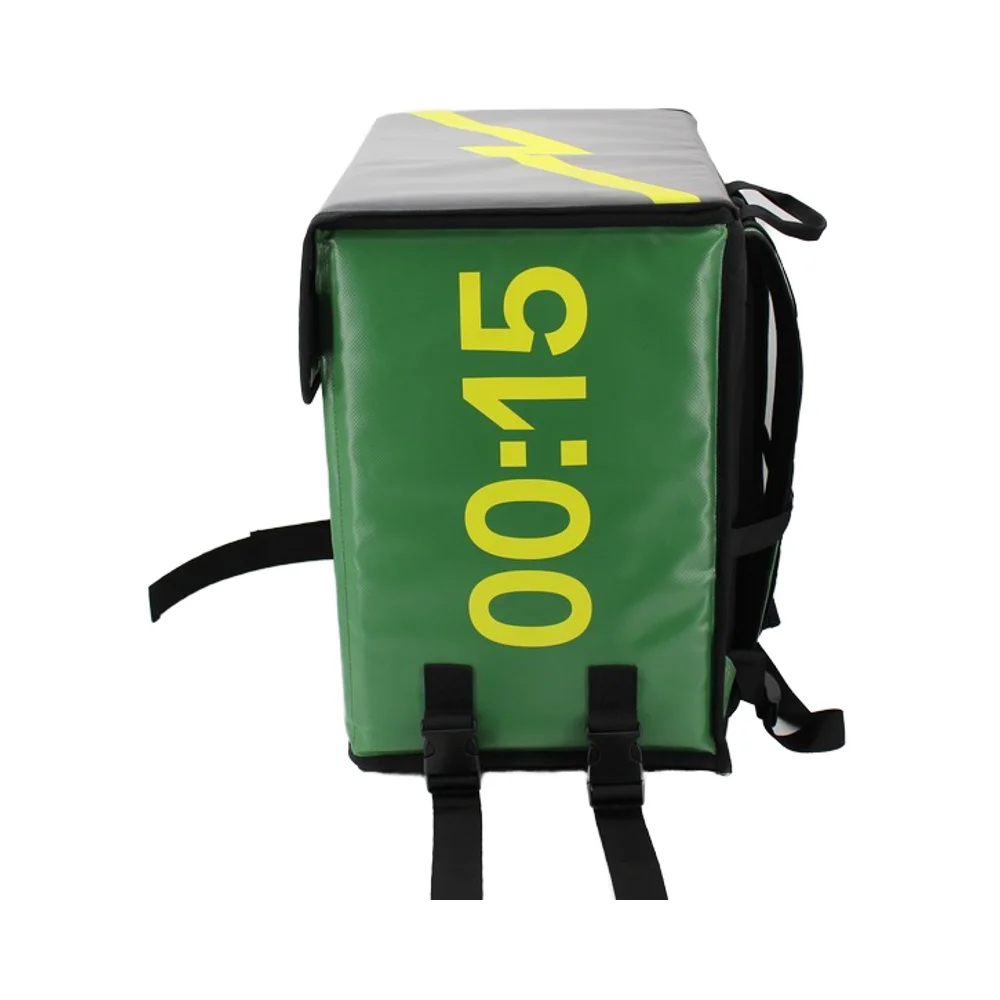
The shoulder harness includes visible reflective details, while the yellow lightning pattern creates additional contrast on the side panel. These elements improve product visibility as visual design features, but riders should continue using all lighting and protective equipment required for their vehicles and local routes.
Eight Core Purchase Specifications
| Item |
Specification |
| Product type |
Insulated motorcycle delivery backpack |
| Size |
44 × 30 × 46 cm; approximately 64L |
| Color |
Green and gray with yellow reflective graphic |
| Material |
Tarpaulin + foam + aluminum foil |
| Carrying system |
Padded shoulder straps + motorcycle tie-down straps |
| Minimum order quantity |
500 pieces per design |
| Sample lead time |
7–15 days |
| Bulk production time |
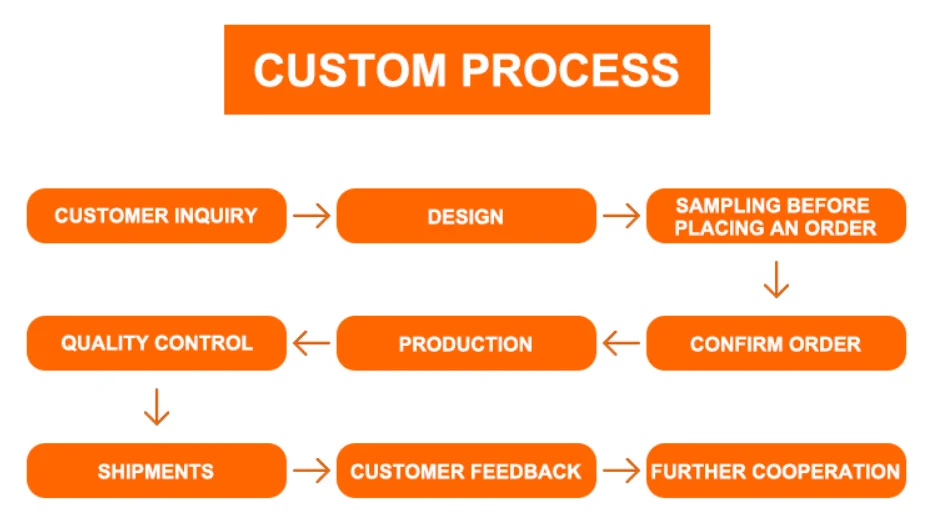
40–45 days after sample and specification approval |
Operational Value for Urban Fleets
Dual transport format: The product can be carried as a backpack or secured to a compatible motorcycle rack.
64L chamber: The upright space accommodates packaged groceries, meal containers and sealed drinks within one route load.
Thermal construction: Tarpaulin, foam and aluminum foil help slow temperature exchange during short-distance transport.
Top-loading access: The wide lid allows dispatch teams to arrange and retrieve orders from above.
Visual identification: Green-and-gray panels, reflective shoulder details and a lightning graphic create a distinctive fleet appearance.
Structured base: The reinforced lower section supports level loading and helps the bag retain its rectangular form.
Rider-oriented harness: Padded shoulder straps distribute the load during short walking sections between the vehicle and delivery point.
Where This Carrier Fits
Grocery and Supermarket Orders
The motorcycle delivery backpack can organize packaged produce, dry groceries, household products and sealed beverages for local supermarket delivery. Heavy items should remain near the bottom, with crush-sensitive goods placed above them.
Restaurant Meal Distribution
Meal boxes, side dishes and bottled drinks can be grouped by customer or drop-off sequence. The top opening allows staff to check the load before the rider leaves the restaurant or dispatch hub.
Motorcycle Courier Networks
For routes covering several urban districts, the rack-mounting option can reduce the need to carry the loaded bag continuously. Riders may switch to the shoulder harness for the final walking section where vehicle access is limited.
Catering and Event Replenishment
The 64L format can transport boxed meals, beverages and packaged supplies between kitchens, offices, exhibitions and temporary event points. Loading order should follow the planned unloading sequence.
Branded Delivery Programs
The large front and side panels provide visible areas for a restaurant logo, grocery-service identity or courier-fleet artwork. Coordinated colors and reflective graphics can help standardize the appearance of riders across several service locations.

 EN